Trams have long been a vital component of urban mobility in the Netherlands, offering efficient, sustainable, and accessible transport across several cities. From historic horse-drawn carriages to modern low-floor light rail systems, Dutch trams have evolved to meet the needs of growing urban populations.
A Historical Perspective
The Netherlands’ tram history dates back to 1864, when The Hague introduced the country’s first horse-drawn tram service. These early systems expanded rapidly, with cities like Amsterdam, Rotterdam, and Utrecht adopting trams to facilitate urban growth and connectivity. By the early 20th century, many networks transitioned to electric trams, enhancing speed and reliability. However, mid-20th-century shifts towards automobiles led to the closure of several tram lines. In recent decades, a renewed focus on sustainable transport has revitalized and expanded tram systems across the country.
Major Tram Networks in the Netherlands
Amsterdam
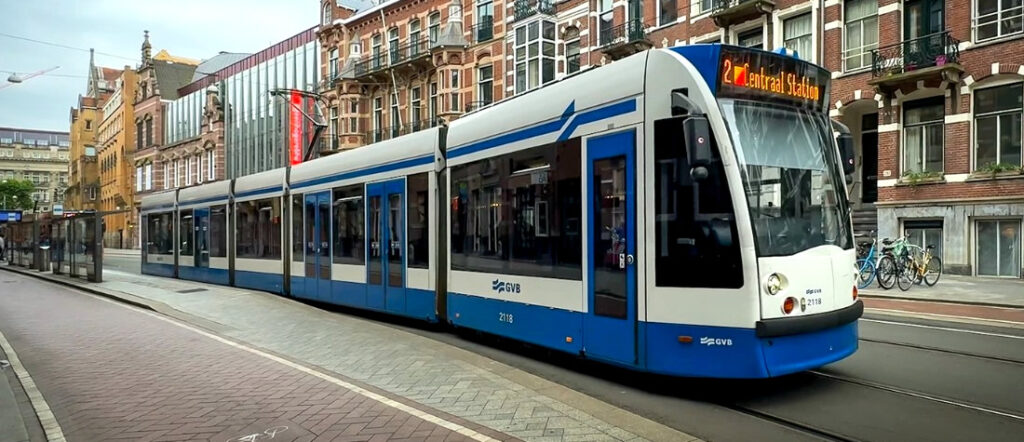
Amsterdam boasts the largest tram network in the Netherlands, operated by the municipal transport company GVB. The network comprises 14 lines covering approximately 95 km of routes, with over 200 trams serving 500 stops. Modern vehicles include Siemens Combino and CAF Urbos 100 trams, many of which are bi-directional to accommodate terminals without turning loops. Notably, Line 2 has been recognized by National Geographic as one of the world’s best tram routes, offering scenic views of the city’s landmarks.
Rotterdam
Rotterdam’s tram network, managed by Rotterdamse Elektrische Tram (RET), features nine regular lines and three special or seasonal lines. The system utilizes Alstom Citadis low-floor trams, ensuring full wheelchair accessibility. With a route length of 194 km and 322 stops, the network serves approximately 25 million passengers annually.
The Hague
The Hague’s tram system, operated by HTM Personenvervoer, includes 10 tram lines and two light rail lines under the RandstadRail brand. The network spans 117 km and serves 204 stops, extending service to neighboring municipalities such as Rijswijk, Delft, and Zoetermeer.
Utrecht
Utrecht’s light rail system, known as the Utrechtse sneltram and operated by U-OV, consists of three lines connecting Utrecht Centraal Station with suburbs like Nieuwegein and IJsselstein, as well as the university district. The network covers 18.3 km and transported over 9 million passengers in 2023.
Revival and Expansion
While many smaller cities phased out their tram systems in the mid-20th century, there has been a resurgence in light rail development. The RandstadRail project exemplifies this trend, integrating tram and metro services to connect The Hague, Rotterdam, and surrounding areas. This network utilizes former train lines and existing tram tracks to provide seamless regional connectivity.
Sustainability and Accessibility
Dutch trams are powered by electricity, aligning with the nation’s commitment to sustainable energy. Modern trams feature low-floor designs for easy boarding, real-time information systems, and accommodations for passengers with reduced mobility. These features make trams an inclusive and environmentally friendly mode of urban transport.
In conclusion, trams in the Netherlands exemplify a successful blend of historical legacy and modern innovation. They continue to play a crucial role in urban mobility, offering residents and visitors alike an efficient, sustainable, and accessible means of transportation.